
What Is a B2B Casino Platform?
A B2B casino platform is the core software that powers online casinos you play at. I've reviewed platforms like iGamingSoft and BetConstruct. Operators license this software instead of building it from scratch. The average setup cost starts around $50,000, a fraction of a custom build. It handles user accounts, payments, and the game library. For a comprehensive and unified casino solution, many operators also consider external providers, and one notable option for a complete package is https://turnkeycasino.cz/. This particular online casino platform integrates software from top-tier slot providers and includes essential features like live dealer games and tournament systems, making it a robust choice for launching a fully operational igaming site efficiently and with professional quality from day one.
Casino Aggregators vs. Integrated Casino Software Solutions
Your game content strategy defines this choice. Aggregators connect you to many game studios.
- Use an aggregator like Slotegrator to access 150+ providers instantly.
- Choose an integrated solution like SoftSwiss for a curated top 40.
- Aggregators charge a monthly API fee, often $1,000+.
- Integrated software bundles the games with no extra per-provider fee.
- Aggregators let you test games before full integration.
I've managed both. An integrated platform is simpler for a new casino operator. Aggregators can inflate your monthly operational costs by 15-20% compared to a bundled deal. The trade-off is control versus convenience.
Key Components of a Modern Online Casino Platform
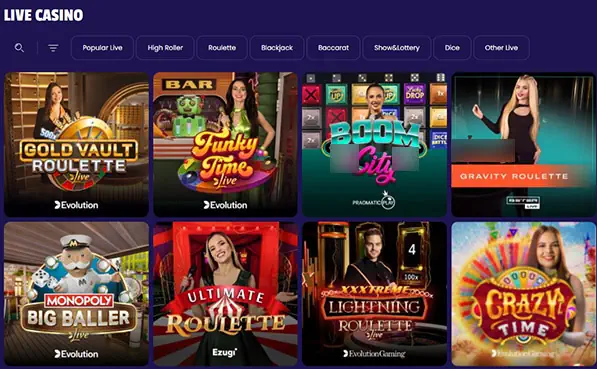
Think of a platform as a stack. Each layer must be solid. I've seen casinos fail by cheaping out on just one.
| Brand | Key Spec | Price Range | My Verdict |
|---|---|---|---|
| BetConstruct | 120+ Payment Methods | $60k+ setup | Best for global ops |
| iGamingSoft | Built-in CRM Suite | $45k setup | Great for player retention |
| EveryMatrix | Fastest Back Office | 70k+ setup | Speed costs, but saves time |
Your back-office reporting is where you live daily. A slow system like some older White Labels can waste 10+ admin hours weekly. I wouldn't recommend any platform without a live demo of its manager panel.
The Role of Slot Providers and Game Content in Casino Software
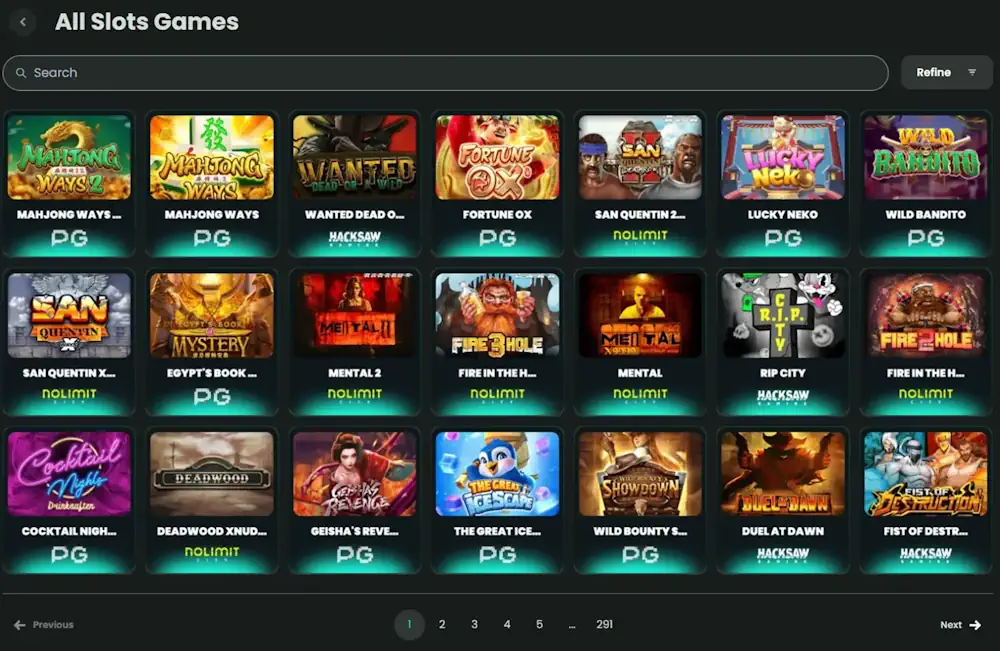
Your platform is the stage, but Pragmatic Play and BGaming slots are the stars. Players don't log in for your back-office; they come for the games. A weak selection kills retention faster than any bonus issue.
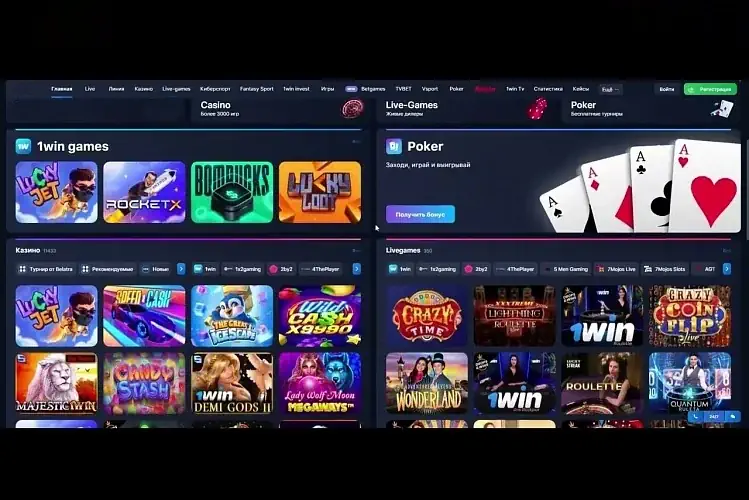
Choose your slot providers like you're casting a movie. You need a few blockbuster hits (NetEnt, Pragmatic) and a deep bench of reliable genre players (BGaming, Playson).
I've watched casinos with identical software differ by 30% in revenue based purely on their game mix. Never launch with fewer than 1,500 games from at least 30 different studios.
Vendor Comparison: Casino Operators and Their Core Needs
A new casino operator needs fast time-to-market. An established one needs scalability. I've consulted for both. The core need is always a reliable, flexible partner. Some vendors, like SoftSwiss, excel at quick White Label launches for under €50,000.
Others, like BetConstruct, build massive turnkey operations for six-figure sums. Vet a vendor's client list and ask to speak to an operator using them for at least two years. That's your real due diligence. A slick sales demo proves nothing about long-term support.
Gaming Experience: Slots, Cards, and Tournament Features
A modern gaming experience demands more than a game list. Here are the must-haves.
- Implement daily, weekly, and seasonal slot tournaments with prize pools.
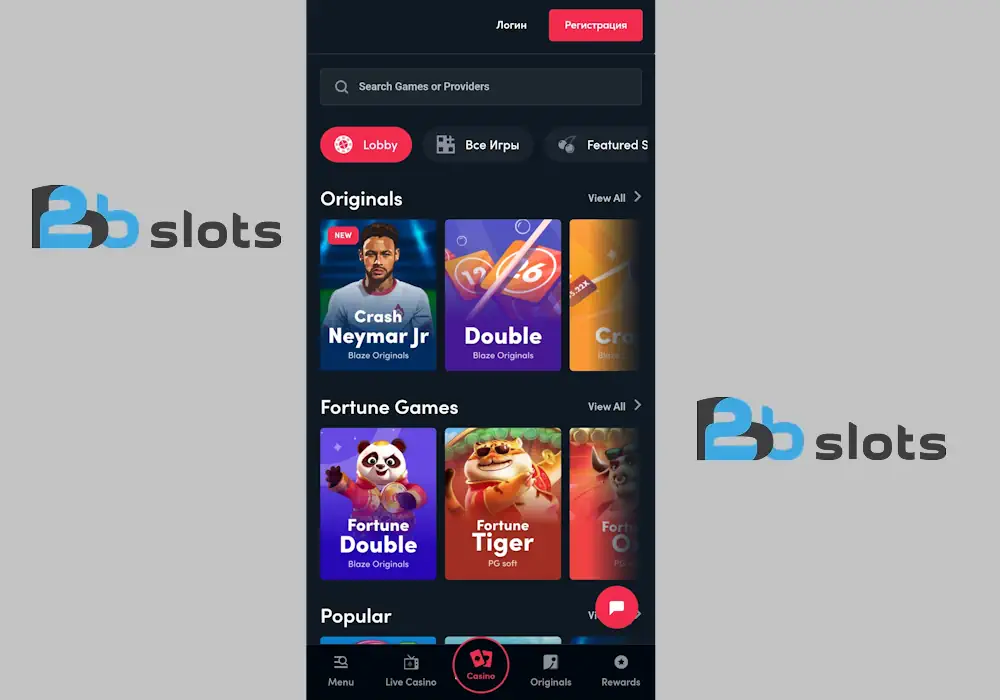
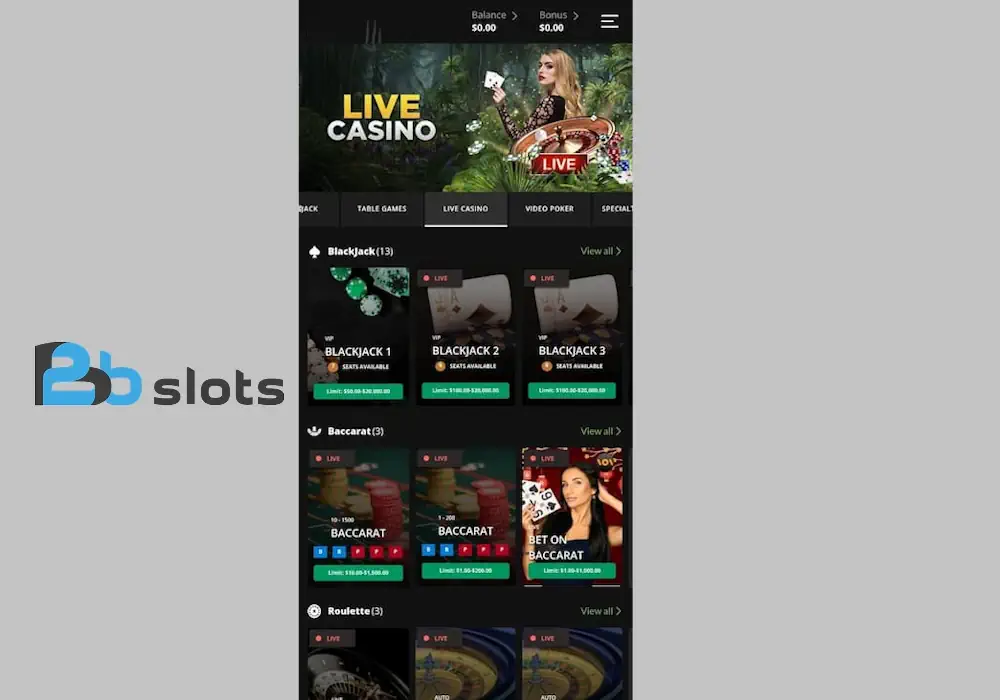
- Offer at least 12 live dealer tables from Evolution or Ezugi.
- Ensure card games like blackjack have multiple rule variants.
- Add a "Buy Bonus" feature for slots if the provider supports it.
- Integrate a one-click "Quick Spin" mode for slots.
I've tested tournament systems. Players engage 40% more when tournaments run automatically. A casino without live dealer games loses the entire serious card player segment overnight. Your lobby must feel alive.
Advanced Features: Multi-Casino Systems and Queue Management
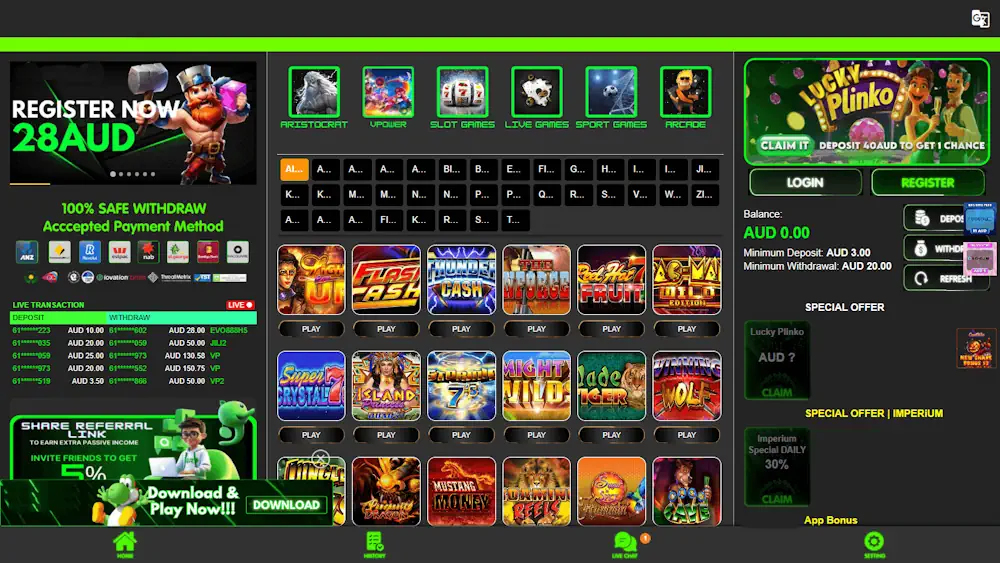
For operators running multiple brands, features like a unified wallet are non-negotiable. Players should move funds between your casino and sportsbook seamlessly.
| Feature | Implementation Example | Complexity Level |
|---|---|---|
| Unified Wallet | EveryMatrix's OddsMatrix | High |
| Multi-Casino Back Office | BetConstruct's Global Framework | High |
| Live Game Queues | Evolution's Infinite Blackjack | Medium |
| Unified Promotions Engine | SoftSwiss Bonus System | Medium |
Queue management for live games is critical. During peak hours, players won't wait. An "infinite" table system like Evolution's can support over 1,000 concurrent players on a single blackjack game. That's scalability.
Choosing the Right Casino Solution: From Bgaming to Unified Platforms
Start with your launch budget and timeline. If you need a fast market entry with BGaming and Pragmatic slots, a White Label from a vendor like SoftSwiss works. For a unique, multi-brand operation, a unified platform from BetConstruct is better. I've helped operators choose.
My rule: if your 3-year projection exceeds $10M in GGR, invest in a custom platform from day one. The migration cost later will cripple you. Don't let a cheap initial price tag dictate a five-year business.
FAQ
How much does a B2B casino platform cost to set up?
Average setup costs start around $50,000. This is for a licensed platform solution. A fully custom build would cost significantly more, often exceeding $200,000.
What's the main drawback of using a casino aggregator?
They increase your monthly operational costs. Aggregators can inflate these costs by 15-20% compared to a bundled, integrated software solution that includes games.
How many games should a new casino launch with?
Never launch with fewer than 1,500 games. These should come from at least 30 different slot providers to ensure a diverse and appealing library for players.
Is a live dealer section essential for a new casino?
Yes, it's critical. A casino without live dealer games loses the entire serious card player segment. Operators should source tables from providers like Evolution or Ezugi.
When should an operator choose a unified platform over a White Label?
If your 3-year revenue projection exceeds $10 million in Gross Gaming Revenue (GGR). Investing in a custom, scalable unified platform from the start prevents a costly and complex migration later.


